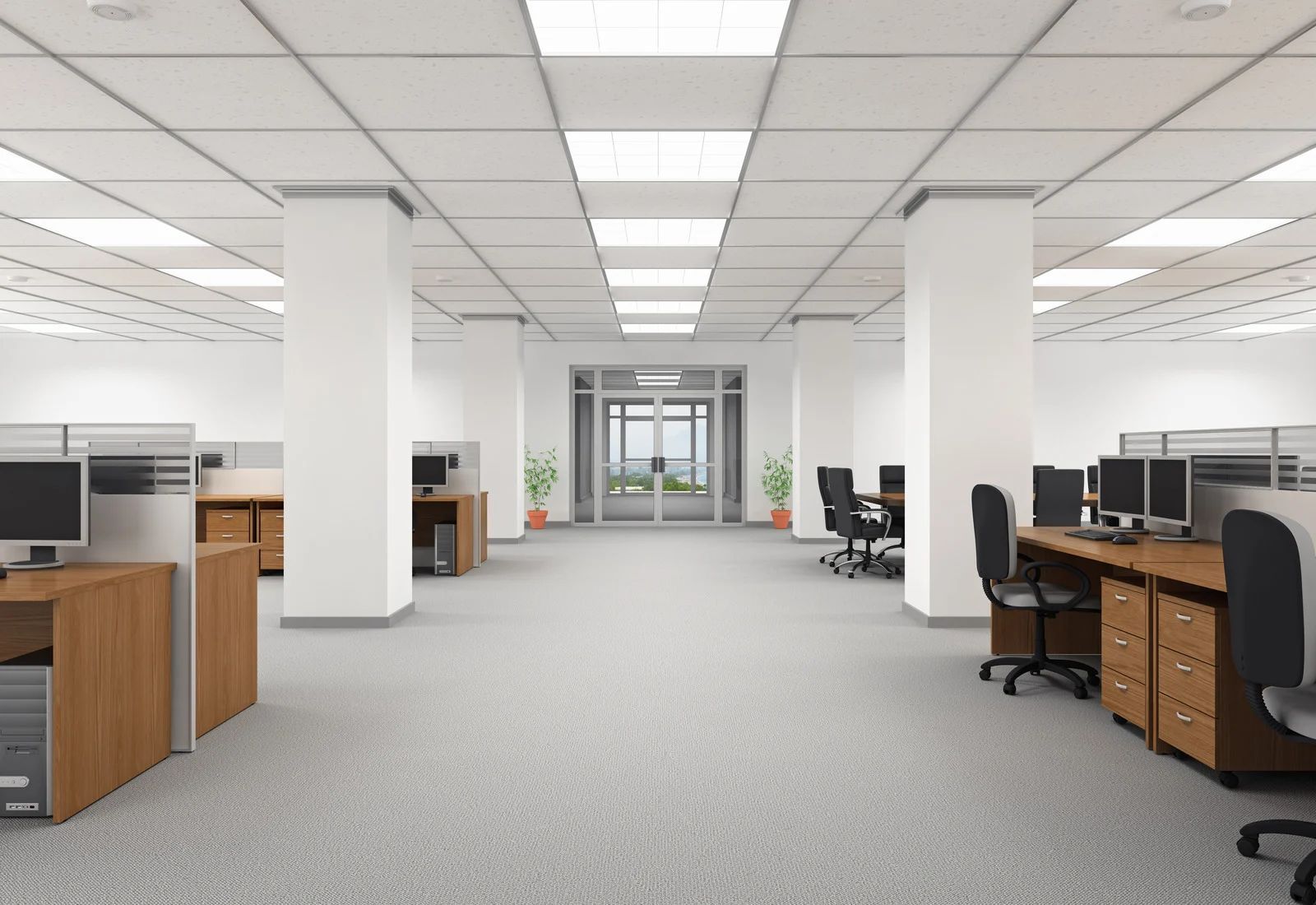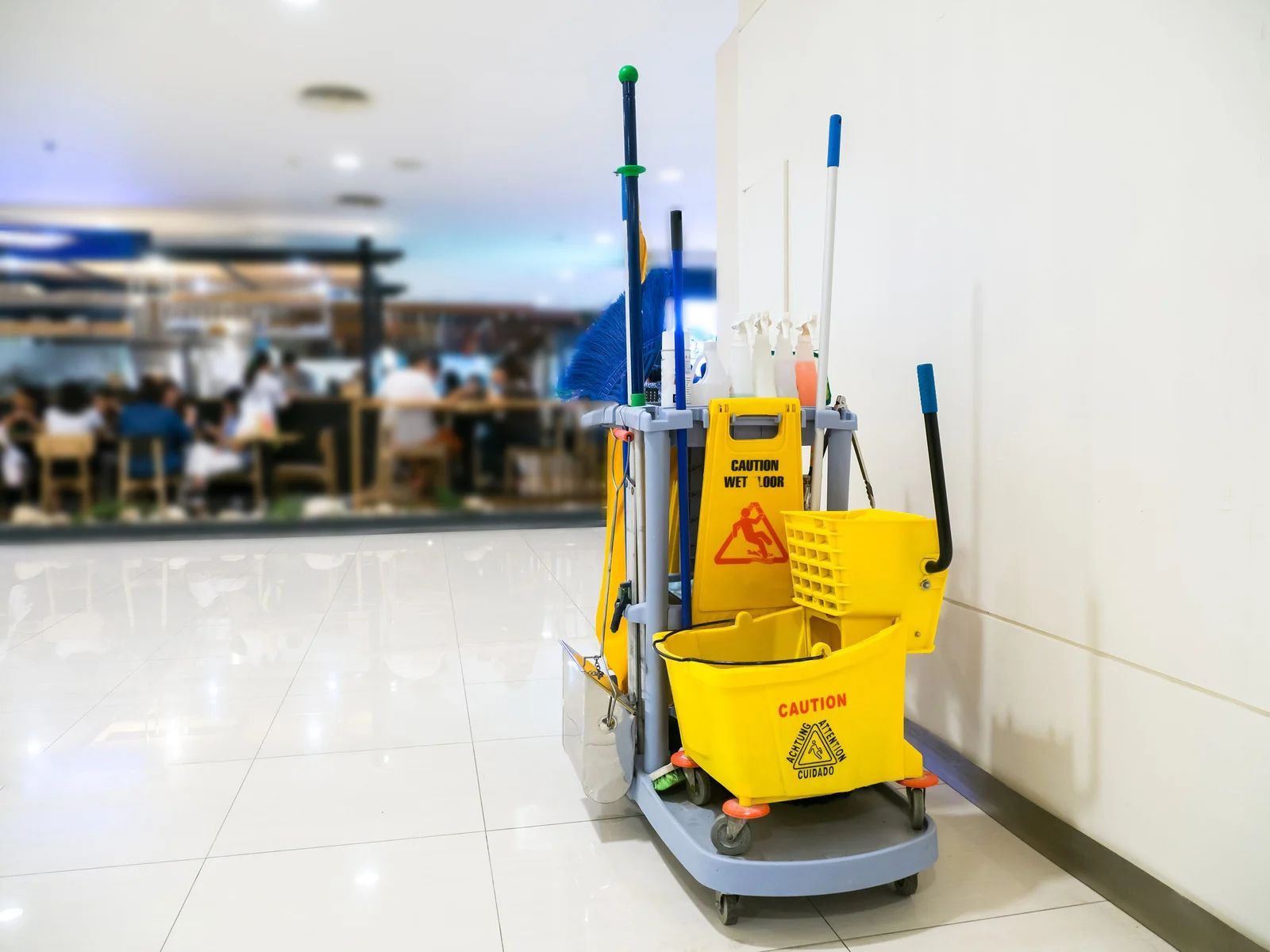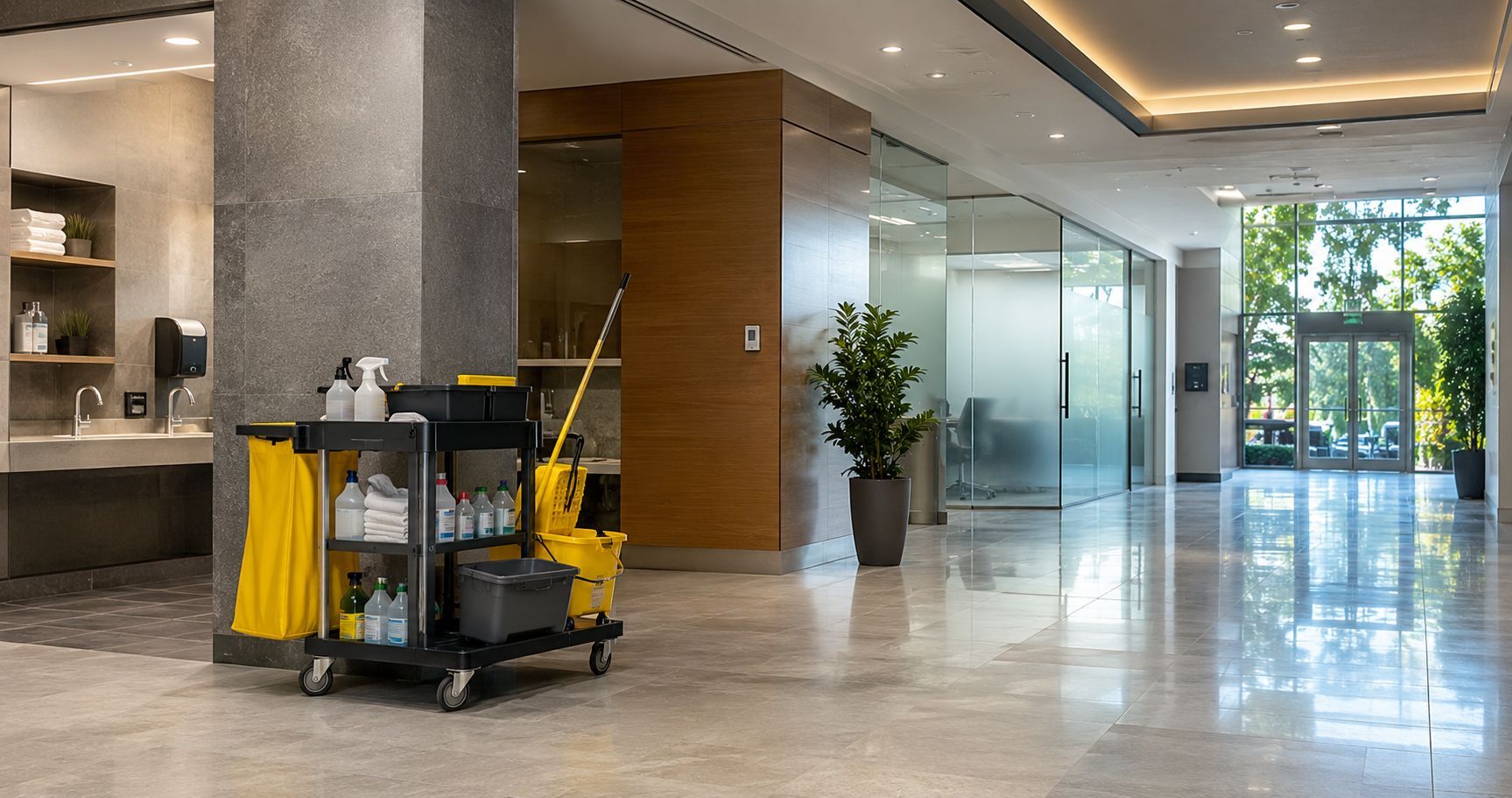
It is Monday morning and you are walking your building before tenants arrive. The ground floor lobby looks sharp. Glass is clear, the floor has a fresh shine, the entry mats sit straight. Then you step off the elevator on three and the picture changes. The restroom is low on paper, there is a coffee ring on the break room counter, and the carpet by the suite doors looks like nobody touched it over the weekend. Same building. Same night crew. Two different results.
That gap is the real problem in any office building with multiple tenants, and it matters more than most managers expect. Tenants do not judge your building by its best floor. They judge it by the worst thing they saw that day. One neglected restroom or a smudged lobby door can undo a week of solid work everywhere else. After years of walking these properties before the first tenant badges in, we can tell you the buildings that keep tenants happy are not the ones cleaned hardest. They are the ones cleaned the same way, every floor, every shift, every night.
What Your Tenants Notice First
Tenants feel the gap before you do. The people who walk the same lobby, the same elevator, and the same restroom twice a day build a quiet baseline, and they sense it the moment that baseline slips. A streaked entry door. A trash can left full past nine. A restroom out of soap by lunch. None of it is dramatic alone. Together it tells a tenant the building is slipping, and that impression sticks.
The hard part is that the worst spots are usually the busiest ones. Lobbies, elevator cabs, shared restrooms, and break rooms take the most abuse and get judged the most. When quality swings from floor to floor, those shared spaces show it first. A clean private suite cannot make up for a lobby that looks tired by Wednesday.
Why Cleaning Quality Drifts From Floor to Floor
Inconsistency rarely comes from lazy work. It comes from a missing standard. When nobody has written down exactly what clean means on each floor, every cleaner fills the gap with personal judgment, and judgment varies. One person wipes every touch point in the break room. The next assumes a day porter handled it. The result is a building where quality depends on who showed up that night.
Shift handoffs are the second weak point. A night crew and a day porter can each do good work and still leave a gap between them, because nobody defined who owns the restroom restock at four versus eight. Add normal turnover, a few sick calls, and a busy week, and the floors start to pull apart. The fix is not working harder. It is giving every floor and every shift the same checklist, the same scope, and the same definition of done, so the result does not ride on memory.
How Walnut Creek Conditions Change the Job
Walnut Creek puts its own stamp on the work, and a standard that ignores that falls behind fast. Summers here run dry and dusty for months. Fine grit drifts in through entries and settles on sills, ledges, and hard floors quicker than tenants expect, so glass and high surfaces need a tighter rhythm than a damper climate would ask for. Skip a week and the dust shows under the afternoon light pouring through those tall lobby windows.
Then the rain arrives. From late fall into early spring, tenants track water, mud, and parking structure grit across entries and elevator floors all day. Mats that worked fine in August get overwhelmed by January. Downtown buildings near Broadway Plaza and North Main carry steady foot traffic and high tenant expectations, so the entry and lobby need a daytime touch, not just a nightly pass. A standard built for this city plans for both seasons instead of reacting to whichever one is happening now.
What a Consistent Standard Actually Looks Like
A real standard is specific enough that two different cleaners produce the same floor. That starts with a written scope for every space. The lobby gets glass, floors, mats, and touch points on a set schedule. Each restroom gets restocked, disinfected, and floor cleaned to the same checklist whether it sits on two or on six. Nobody guesses.
From there it comes down to ownership and a second set of eyes. Every zone has a name attached, so no task lives in the gap between two people. A supervisor walkthrough on a set rhythm catches the slow drift before a tenant does, because the person who cleaned a space at midnight is rarely the best judge of it. We log what gets checked, so the standard lives on paper instead of in one head. That is what keeps floor six looking like floor two on a random Thursday.
Where Standards Break Down Most Often
A few spots fail more than the rest, and they fail for reasons that make sense. Restroom restocking is the big one. It feels like a small task, so it slides to the end of the shift and gets rushed, then a busy floor runs dry by midmorning and the complaint lands on your desk. Build it into a fixed checkpoint, not a last minute scramble, and most of it goes away.
Touch points are the second blind spot. Elevator buttons, door handles, light switches, and shared break room surfaces get touched by hundreds of hands and cleaned by assumption. Everyone thinks someone else wiped them. Glass and entries are the third. A lobby door looks fine at night under low light and shows every smudge at ten in the morning sun, which is exactly when tenants and visitors walk through it. None of these are hard to clean. They get missed because no single person clearly owns them, and that is a standards problem, not an effort problem.
Keeping the Standard Steady Through the Year
Holding a standard means matching the rhythm to how the building gets used. Daily work covers the spaces people touch most: lobbies, restrooms, elevators, break rooms, and entry glass. Weekly attention goes to detail dusting, baseboards, vents, and the high surfaces that collect that dry summer dust. Monthly brings the deeper passes, carpet extraction in heavy traffic lanes, hard floor care, and the corners a nightly pass moves right past. Before the winter rains, mats get upgraded and walk off zones get extended so January grit stops at the door instead of riding the elevator to six.
Frequently Asked Questions
How often should shared office restrooms be cleaned in a busy building?
Busy multitenant restrooms need a full nightly clean plus daytime checks for restocking and quick wipe downs. A single floor can run dry by midmorning, so we build fixed daytime checkpoints rather than leaning on one overnight pass.
Why does one floor look cleaner than another with the same crew?
Usually no written standard exists, so each cleaner relies on personal judgment. Add shift handoff gaps and a busy week, and floors drift apart. A shared checklist and assigned zones close the gap so results do not ride on who showed up.
Do office buildings need daytime cleaning or is overnight enough?
Most multitenant buildings need both. Overnight handles the deep work, but lobbies, restrooms, and elevators see heavy daytime traffic, especially downtown near Broadway Plaza. A day porter keeps high traffic spaces presentable between full cleans so the building holds up all day.
How do Walnut Creek seasons affect office cleaning?
Dry summers push fine dust onto glass and high surfaces, so those need a tighter rhythm. Winter rain tracks mud and grit across entries and elevators. We adjust mats and schedules by season instead of cleaning the same way year round.
Does inconsistent cleaning really affect tenant retention?
Yes. Tenants judge a building by the worst thing they saw, not the best. A neglected restroom or smudged lobby signals the building is slipping, and that impression follows them into renewal conversations. Steady standards protect the daily experience that keeps tenants in place.
Experienced Crews Keeping Your Whole Building Consistently Clean
A building stays clean when every floor is cleaned to the same written standard, every shift, no matter who is on the schedule. In Walnut Creek, that standard has to flex with the seasons, the dry summer dust and the winter rain grit, which is exactly where a one-size-fits-all routine falls apart. Consistency is harder here than the calm weather suggests. That is the standard we hold at
Skyline Building Care. With 26
years keeping multi-tenant
office buildings presentable across Walnut Creek, California, we write a clear scope for every floor
and check it on a set rhythm so your worst floor looks like your best one. If your building reads differently from one floor to the next, let us walk it with you and show you where the standard is slipping.