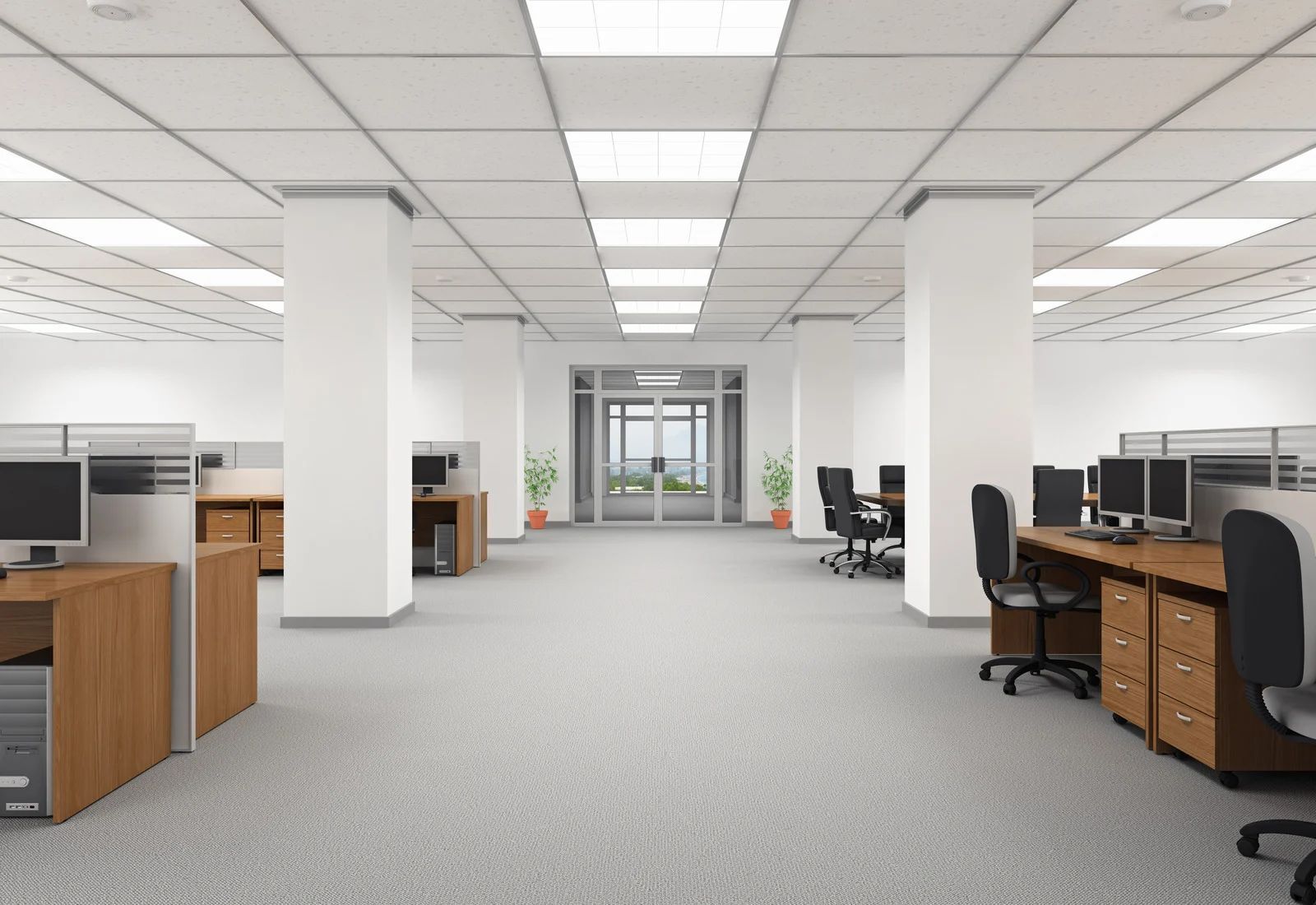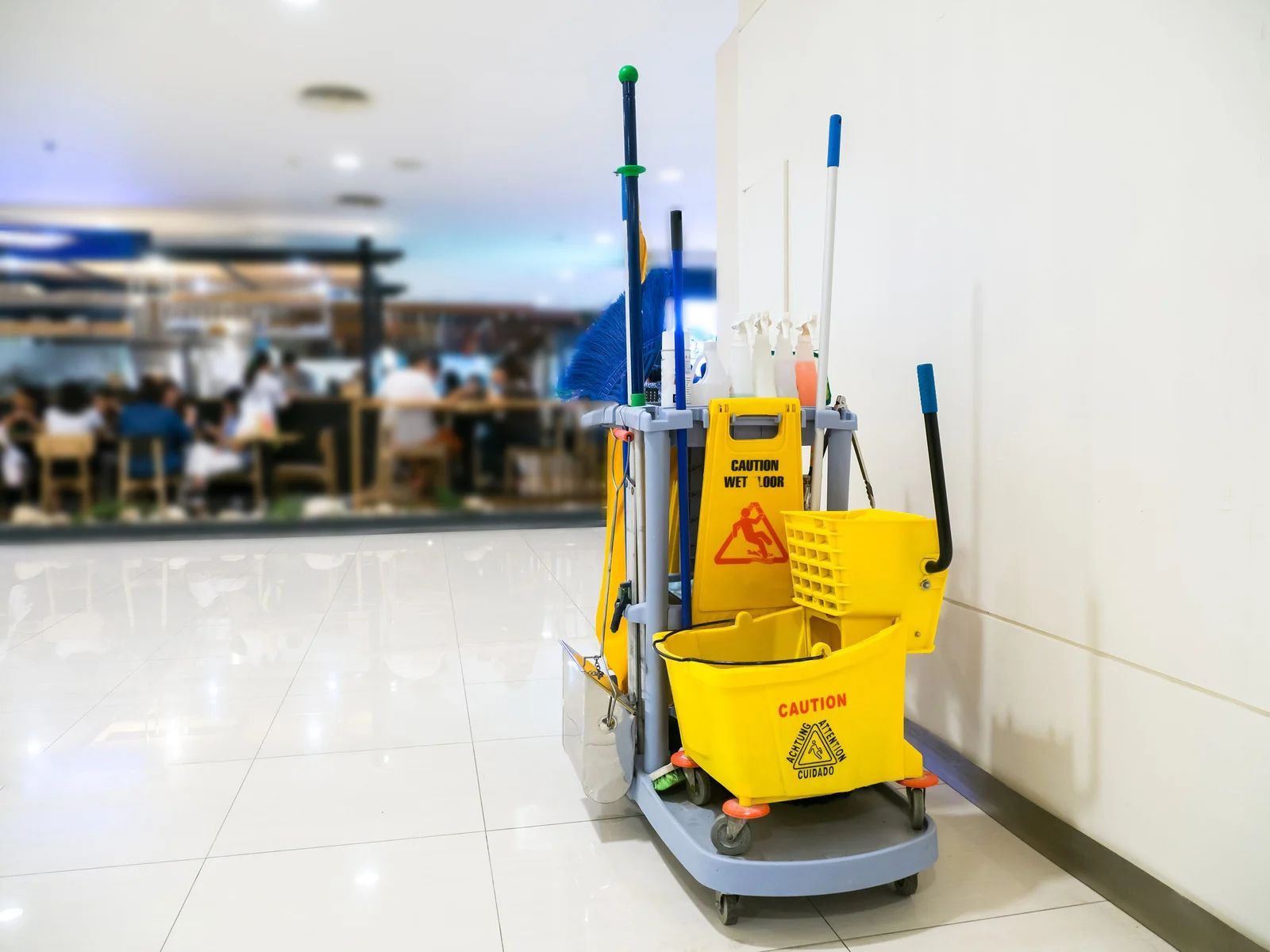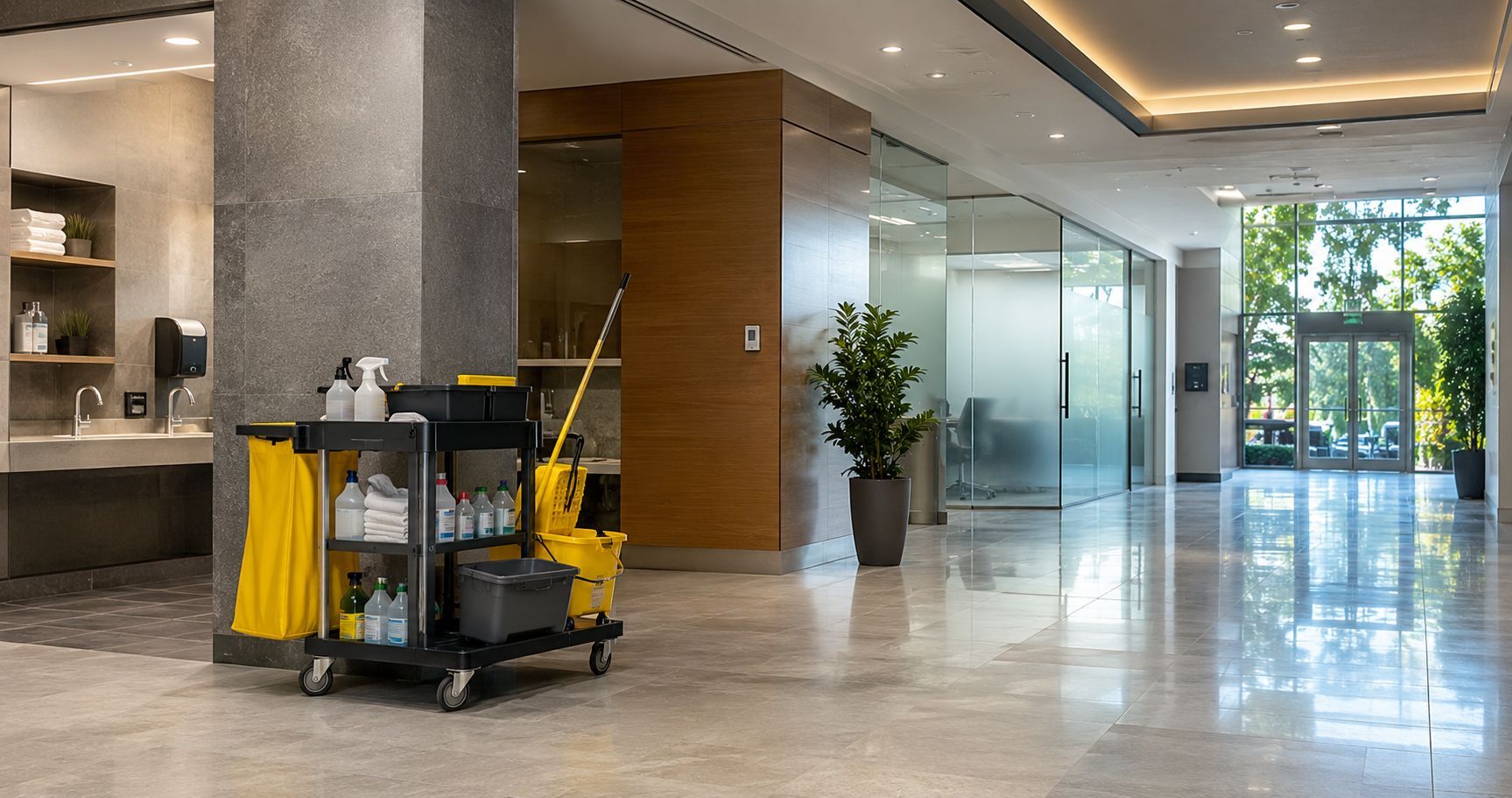
A workplace environment plays a defining role in shaping how employees think, perform, and interact throughout the day. Among various factors influencing productivity, office cleanliness stands out as a foundational element that directly affects concentration, energy levels, and overall morale. A clean office is not limited to visual appeal; it creates an organized ecosystem where mental clarity becomes easier to achieve and maintain. In modern professional settings, where distractions are already high, maintaining a structured and hygienic workspace has become a necessity rather than an optional practice. It also supports smoother daily routines by reducing unnecessary interruptions and improving overall workplace discipline. A well-maintained setting further encourages consistent performance without mental fatigue building up quickly.
Organizations across industries increasingly recognize that cleanliness influences both operational efficiency and employee satisfaction. Dust-free desks, sanitized common areas, and clutter-free surroundings contribute to reduced stress and improved cognitive performance. When individuals operate in a well-maintained environment, decision-making becomes sharper, and task execution becomes more streamlined. Beyond productivity, cleanliness also reinforces a sense of pride and respect toward the workplace, which naturally strengthens morale and engagement levels across teams. It also creates a positive impression for clients and visitors, reflecting strong organizational values. Over time, this contributes to better retention, stronger collaboration, and a more motivated workforce.
Clean Office and Cognitive Performance
Clarity of Thought Through Reduced Visual Distraction
A clean office minimizes unnecessary visual interruptions that often compete for attention during work hours. Cluttered desks, scattered papers, and unorganized materials create cognitive overload, forcing the brain to process irrelevant stimuli. A structured environment supports sharper thinking and allows employees to focus on priority tasks without constant mental interruptions. This improves sustained attention and strengthens overall mental clarity during demanding schedules.
Improved Task Completion Speed
When workspace organization is maintained, time spent searching for documents, tools, or digital access points is significantly reduced. This streamlined access improves workflow continuity and reduces task switching. As a result, employees complete assignments within shorter timeframes while maintaining higher accuracy levels. This also creates smoother transitions between responsibilities throughout the workday.
Enhanced Decision-Making Ability
Clean environments contribute to reduced mental fatigue, which plays a critical role in decision-making. A clear physical space supports a clear mental state, allowing individuals to evaluate options without unnecessary stress. This leads to more confident and well-structured decisions across daily operations. It also encourages logical thinking under pressure and tight deadlines.
Real-World Workplace Scenario
In high-demand office settings, employees often face tight deadlines and multitasking requirements. A clean workstation reduces friction in such environments by ensuring essential resources are easily accessible. This creates a stable working rhythm where focus remains uninterrupted, directly improving output quality and consistency across teams. It also supports better collaboration during peak workload periods.
Air Quality, Health, and Absenteeism Reduction
Importance of Indoor Air Quality
Dust accumulation, poor ventilation, and unclean surfaces directly impact indoor air quality. When air quality declines, concentration levels drop and fatigue increases. Regular cleaning helps maintain breathable environments that support sustained attention and mental alertness throughout working hours. This also contributes to better overall physical comfort and workplace satisfaction.
Reduction in Illness Transmission
Shared office spaces often become breeding grounds for germs if hygiene practices are not prioritized. Regular sanitization of high-touch surfaces such as desks, keyboards, and door handles reduces the spread of illness. This leads to fewer sick days and more consistent workforce availability. It also supports a safer and more responsible workplace environment overall.
Lower Absenteeism Rates
Healthier work environments naturally contribute to reduced absenteeism. When employees experience fewer health-related disruptions, continuity in operations improves. This stability enhances project timelines and reduces workload pressure caused by unexpected staff shortages. It also ensures smoother coordination between departments and ongoing tasks.
Physical Comfort and Energy Levels
A hygienic office supports physical comfort by minimizing allergens and irritants. Cleaner surroundings reduce headaches, eye strain, and respiratory discomfort, allowing sustained energy levels throughout the day. This creates a more stable and productive work rhythm. It also helps maintain emotional balance during long working hours.
Workplace Organization and Operational Efficiency
Structured Work Environments
A well-organized office ensures every item has a designated place. This structure reduces confusion and eliminates unnecessary delays in daily operations. Employees can transition between tasks smoothly without spending time managing disorganization. It also helps maintain consistency in workflow execution.
Improved Resource Accessibility
Essential tools, documents, and digital resources become easier to locate in a clean and structured environment. This reduces interruptions during workflow and enhances task continuity. The result is a more efficient and predictable work process. It also supports faster response times in critical situations.
Time Optimization in Daily Tasks
Time wasted due to clutter or misplacement of materials accumulates over weeks and months. A clean office eliminates such inefficiencies by promoting a systematic arrangement of resources. This allows employees to dedicate more time to meaningful work rather than administrative searching. It also improves overall productivity output significantly.
Better Coordination Among Teams
Organized workspaces also improve communication and coordination between departments. Shared areas remain functional and accessible, supporting smoother collaboration. Meetings and discussions become more productive when conducted in clean, distraction-free environments. This also strengthens alignment between team objectives and goals.
Psychological Impact and Employee Morale
Reduced Stress and Mental Pressure
A clutter-free environment reduces subconscious stress triggers. Visual chaos often translates into mental discomfort, which affects emotional balance. Clean surroundings promote calmness and support a stable psychological state during work hours. It also encourages better emotional resilience under pressure.
Increased Sense of Professional Pride
Employees tend to feel more valued and respected when working in a well-maintained environment. This sense of pride encourages better engagement with responsibilities and strengthens commitment toward workplace goals. It also fosters a stronger sense of belonging within the organization.
Motivation Through Environmental Influence
Work environments significantly influence motivation levels. A clean office creates a positive atmosphere that encourages individuals to maintain discipline and consistency in performance. This natural motivation reduces dependency on external enforcement. It also supports long-term performance stability.
Strengthened Workplace Culture
Cleanliness contributes to building a culture of responsibility and respect. When shared spaces are maintained properly, it reflects collective accountability. This fosters stronger relationships among employees and enhances overall workplace harmony. It also reinforces shared organizational values.
Best Practices for Maintaining a Clean Office Space
Daily Cleaning and Maintenance Routines
Establishing structured cleaning routines ensures that hygiene standards remain consistent. Daily dusting, waste disposal, and surface cleaning prevent the buildup of dirt and clutter over time. This also ensures a consistently presentable workplace environment.
Decluttering Workstations Regularly
Encouraging employees to keep only essential items on desks improves focus and reduces unnecessary distractions. Periodic decluttering sessions help maintain long-term organization. It also promotes a more efficient and visually balanced workspace.
Sanitization of High-Touch Areas
Frequent cleaning of shared surfaces such as conference tables, elevator buttons, and shared equipment reduces contamination risks. This practice supports a healthier working environment. It also minimizes the spread of bacteria in high-traffic zones.
Proper Waste Management Systems
Efficient waste disposal systems prevent overflow and maintain overall cleanliness. Clearly labeled bins and regular disposal schedules help sustain order throughout the office. It also ensures environmental responsibility within workplace operations.
Employee Awareness and Responsibility
Clean office culture thrives when individuals understand their role in maintaining hygiene. Awareness programs and simple guidelines encourage consistent participation in cleanliness practices across all levels of the workplace. It also strengthens collective accountability and discipline.
Reliable Service Approach Elevating Corporate Hygiene Standards
A clean office environment directly influences productivity, focus, and emotional well-being. It reduces distractions, supports better health, improves workflow efficiency, and strengthens morale across teams. Cleanliness also plays a strategic role in shaping workplace culture by encouraging discipline, responsibility, and mutual respect. When maintained properly, it becomes a long-term investment in operational performance and employee satisfaction. It further helps create a stable environment where employees can maintain consistency in daily performance.
Sustaining such an environment requires consistent effort, structured systems, and professional expertise in maintaining hygiene standards at scale. Clean office spaces are not simply about appearance; they are about creating conditions where individuals can perform at their highest potential without unnecessary barriers. It also ensures that workplace standards remain aligned with long-term organizational goals and expectations.
Skyline Building Care
operates as a trusted authority in commercial cleaning service solutions, supporting businesses with a strong foundation of experience spanning over 26
years. The focus remains on delivering structured cleaning systems that enhance workplace hygiene, operational efficiency, and professional presentation. Every workspace receives attention aligned with industry standards, ensuring consistent cleanliness across all areas, including offices, lobbies, restrooms, and shared zones. The approach emphasizes reliability, precision, and long-term maintenance of healthy environments that support employee productivity and organizational growth. Over decades of service in Walnut Creek, California, a deep understanding of commercial environments has shaped methods that align with modern workplace expectations. Clean and well-maintained offices continue to play a central role in improving employee performance, and dedicated expertise ensures these standards are achieved across every engagement. This commitment also supports long-term client trust and sustained service excellence across diverse industries.